
Why Spiders And Crickets Invade Residential Properties
Local contractors can help address why spiders and crickets invade residential properties by providing effective pest control solutions to keep your home pest-free.
Many homeowners notice an increase in spiders and crickets around their properties, especially during certain times of the year. These insects are often drawn to residential areas due to accessible shelter, such as piles of debris, tall grass, or unsealed entry points around doors and windows. Understanding why spiders and crickets invade residential properties can help property owners identify potential attractants and take practical steps to minimize their presence. Local service providers specializing in spider and cricket control can offer effective solutions to keep these unwelcome guests outside where they belong.
Exploring the reasons behind these invasions can also highlight the importance of proper property maintenance and targeted pest management. For instance, reducing clutter, sealing cracks, and managing landscaping can make a significant difference. When these measures aren't enough, experienced local contractors can provide professional pest control services designed to address the root causes of infestations. By connecting with trusted experts, property owners can better understand how to prevent future invasions and maintain a comfortable, pest-free home environment.
- Common Projects Services
- Spider control services are often needed when residents notice webs and spiders indoors or around their home, with local contractors applying targeted treatments to reduce infestations. Cricket control services come into play when these insects invade living spaces, especially during warmer months, with local service providers implementing exclusion methods and treatments to prevent reentry. Both services address underlying attractants like clutter, moisture, and entry points, ensuring a comprehensive approach. Local pros assess property conditions to identify factors that attract spiders and crickets, providing tailored solutions. These services help homeowners manage infestations effectively, reducing the likelihood of recurring invasions.
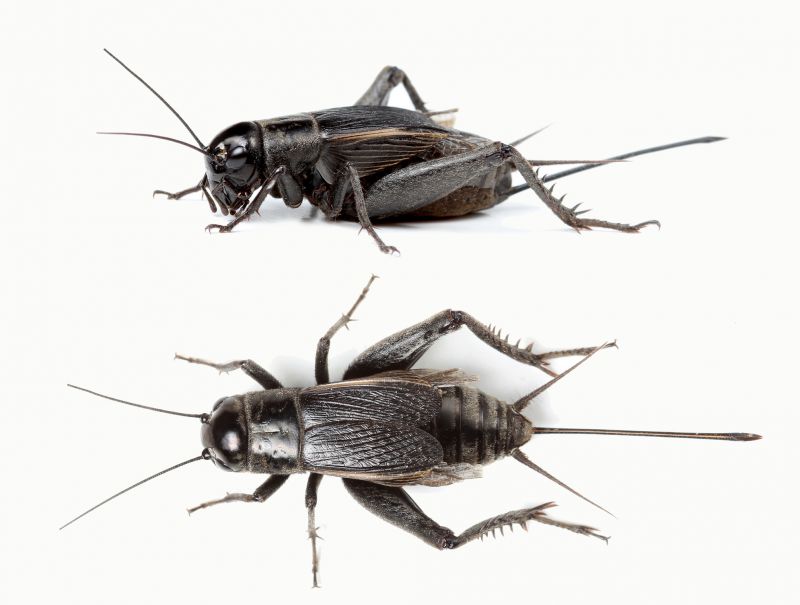
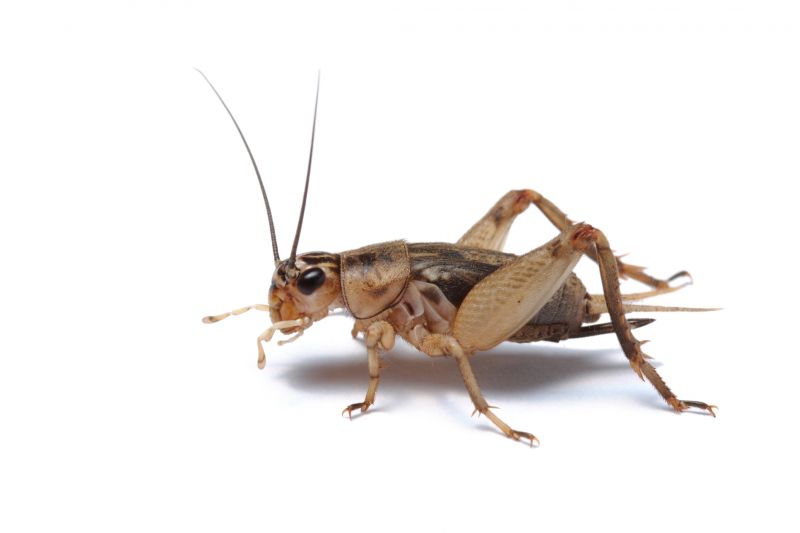
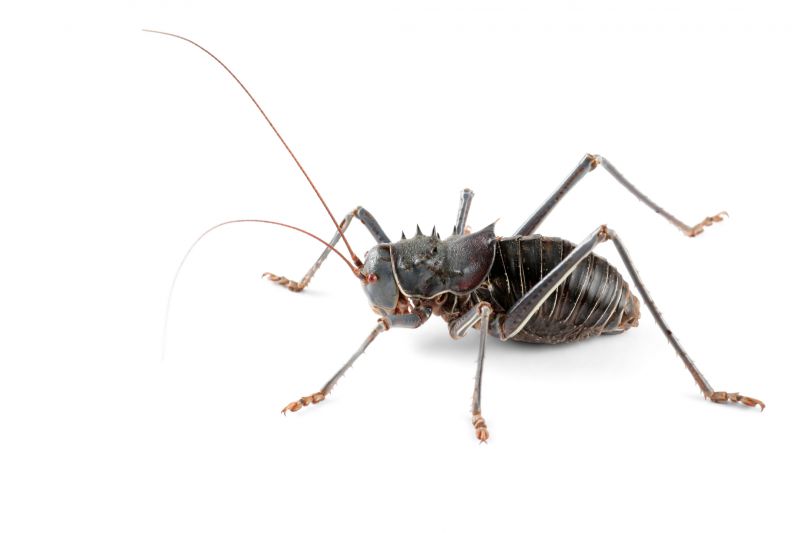
Understanding why spiders and crickets invade residential properties often begins with recognizing their natural behaviors and environmental needs. These insects are typically seeking shelter, warmth, and sources of food, which are readily available around homes. Spiders tend to enter structures in search of prey or to escape outdoor elements, while crickets are attracted to dark, moist areas where they can hide and find food. When homeowners notice these pests inside their living spaces or around their yards, it usually indicates that certain conditions-such as clutter, moisture, or gaps in the building’s exterior-are providing ideal entry points and habitats. Local service providers specializing in spider and cricket control can assess these conditions and recommend targeted measures to reduce the likelihood of future invasions.
The problems associated with spider and cricket invasions extend beyond mere nuisance. Many homeowners are concerned about the presence of spiders due to their sometimes intimidating appearance or fear of bites, even though most are harmless. Crickets, on the other hand, can be bothersome because of their loud chirping, especially during warm months. Additionally, both pests can contribute to broader issues like attracting other insects or creating unsightly messes with their droppings. Homeowners often seek control solutions as part of a broader plan to maintain a clean, pest-free environment and prevent infestations from escalating. Local contractors who specialize in pest management can help develop effective strategies, including sealing entry points and reducing attractants, to keep these insects from becoming a persistent problem.
Certain types of properties tend to be more prone to spider and cricket invasions, especially those with landscaping features that create sheltered areas. Single-family homes with yards that have dense shrubbery, wood piles, or debris are common targets because these features provide natural hiding spots and food sources. Homes with poorly maintained foundations, gaps around doors and windows, or moisture issues are also more vulnerable, as these conditions make it easier for spiders and crickets to find entry points. Residential properties such as townhouses, duplexes, or multi-family buildings can experience similar issues if their exterior maintenance is neglected. Local pest control professionals regularly work with homeowners and property managers to identify vulnerabilities and implement preventative measures tailored to each property type.
Addressing why spiders and crickets invade residential properties involves understanding the environment that attracts them and taking proactive steps to eliminate their habitats. Homeowners who notice these pests should consider the role of yard cleanliness, exterior repairs, and moisture control in reducing invasions. Connecting with experienced local service providers can help develop personalized plans that target the specific conditions encouraging these insects to enter and stay. These professionals can handle tasks such as sealing cracks, removing debris, and applying treatments that discourage future invasions, making it easier for homeowners to maintain a comfortable, pest-free home environment.
Pest inspection services - these projects involve assessing properties for pest entry points and nesting sites, similar to identifying spider and cricket attractants in residential areas.
Home sealing and repair projects - sealing cracks and gaps in walls, windows, and foundations helps prevent spiders and crickets from invading homes, requiring similar planning and tools.
Yard cleanup and landscaping - removing debris and trimming vegetation reduces hiding spots for spiders and crickets, aligning with pest prevention strategies.
Exclusion fencing installation - installing barriers around properties to block pest entry shares techniques used in controlling spider and cricket invasions.
Moisture control and drainage projects - managing excess moisture in and around homes deters pests that thrive in damp environments, akin to spider and cricket habitat management.
Insect habitat modification - projects that reduce outdoor insect nesting sites help lower cricket populations and indirectly reduce spider activity, requiring similar planning and tools.
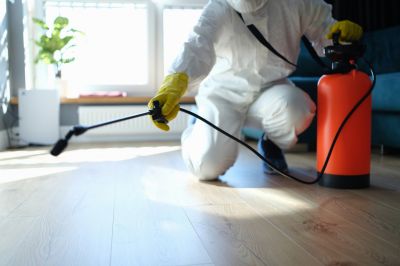
When comparing local contractors for spider and cricket control services, it’s important to consider their experience with similar projects. Service providers who have a history of handling residential infestations of these pests are more likely to understand the specific factors that attract spiders and crickets to homes, such as landscaping, entry points, and moisture issues. An experienced contractor can offer insights into effective treatment methods and preventative measures tailored to the unique characteristics of a property, helping to ensure the chosen approach addresses the root causes of the invasion.
Clear written expectations are a key factor when evaluating potential service providers. Homeowners should seek out contractors who provide detailed descriptions of the scope of work, including the types of treatments used, areas covered, and any follow-up procedures. Having this information in writing helps prevent misunderstandings and sets a foundation for transparency. It also allows homeowners to compare different providers more easily, ensuring that the services offered align with their specific concerns about spider and cricket activity around the residence.
Reputable references and good communication are essential qualities to look for in a service provider. Local contractors with positive feedback from previous clients typically demonstrate a track record of dependable service and effective pest management. Additionally, approachable and clear communication from the contractor can make the process smoother, allowing homeowners to ask questions, express concerns, and receive timely updates. These qualities contribute to a more confident decision-making process and help ensure that the chosen professional can effectively address why spiders and crickets invade residential properties and how to prevent future issues.
Property owners often search for why spiders and crickets invade residential properties when they are planning practical projects around their homes and businesses. Local pros provide Spider and Cricket Control services for everyday jobs and straightforward project options.
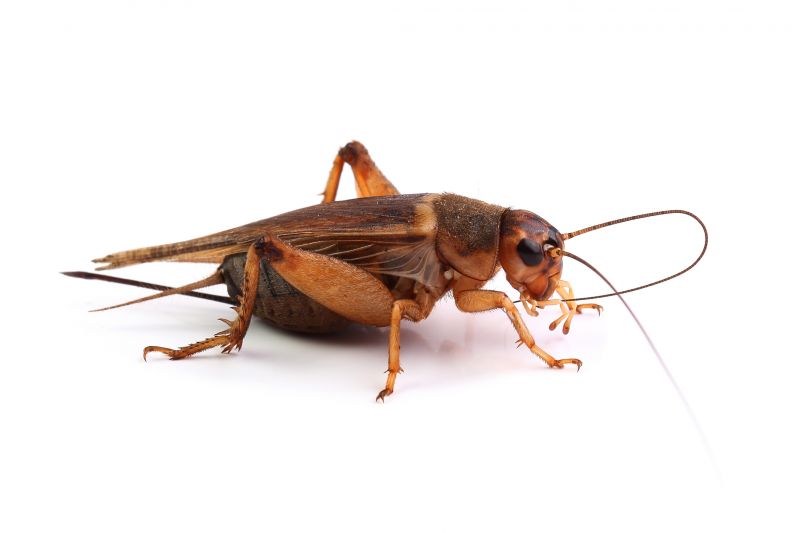
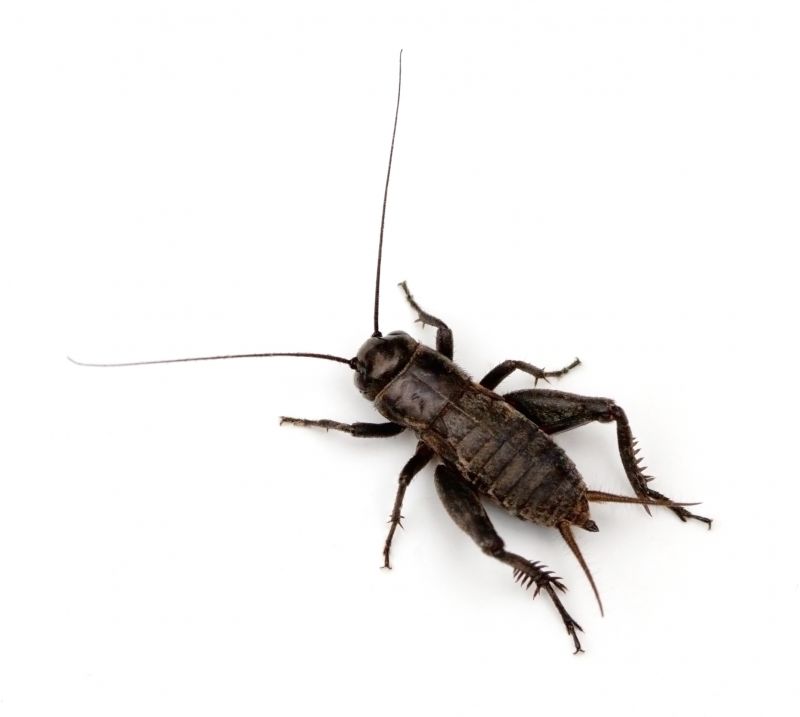
Understanding why spiders and crickets invade residential properties can help property owners identify the factors that attract these pests. Often, they seek shelter in dark corners, garages, basements, or around outdoor structures, especially during seasonal changes or periods of increased moisture. Factors like clutter, overgrown vegetation, or unsealed entry points can create inviting environments for these insects to settle in and reproduce. When such infestations become a concern, property owners might consider reaching out to local contractors who specialize in pest control to evaluate the situation and implement effective management strategies.
Local service providers are equipped to handle the common causes of spider and cricket invasions, offering solutions that address both immediate concerns and ongoing prevention. They can identify entry points, recommend modifications to reduce attractants, and provide targeted treatments to eliminate existing pests. Engaging with experienced pest control professionals can help maintain a pest-free environment, ensuring that these insects do not become a recurring problem in residential settings.
Why do spiders and crickets tend to invade residential properties? Spiders and crickets often enter homes seeking food, shelter, or favorable environmental conditions, especially during certain seasons or when outdoor conditions change.
How do environmental factors influence spider and cricket invasions? Changes in temperature, humidity, and nearby vegetation can attract these pests to residential areas, as they look for suitable places to live and breed.
What role do landscaping and yard conditions play in attracting spiders and crickets? Overgrown grass, piles of debris, and unkempt gardens provide hiding spots and attract insects that serve as food sources, increasing the likelihood of invasions.
Can structural issues in a home contribute to spider and cricket invasions? Yes, gaps, cracks, and openings around doors, windows, and foundations can allow these pests to enter indoor spaces more easily.
How can local contractors help prevent and control spider and cricket invasions? Service providers can assess property conditions, identify entry points, and apply targeted treatments to reduce pest activity and keep homes protected.
Identify and seal entry points - sealing gaps and cracks around doors, windows, and foundations can prevent spiders and crickets from entering homes, with local contractors providing effective solutions.
Reduce outdoor hiding spots - removing debris, tall grass, and clutter around the property minimizes habitats that attract these pests, and local pros can assist with proper yard maintenance.
Manage moisture levels - fixing leaks and controlling humidity indoors makes the environment less inviting for crickets and spiders, with local service providers offering moisture control advice.
Implement targeted pest barriers - installing barriers or screens around vents and openings helps keep spiders and crickets outside, and local contractors can recommend suitable pest exclusion methods.
If you are thinking about why spiders and crickets invade residential properties for a property, this guide is meant to help you understand this topic, the typical project types, and how different options might fit your plans.
When you are ready, you can use the quote form on this page to share a few details about your project. From there, local pros can review the basics and follow up with options that match what you have in mind.